


The Women of the Kikotan Nation: Keepers of Family, Culture, and Survival

A Woman History Forgot, But a Nation Remembers
In 1597, Pochin was recorded as Chief of the Kikotan people who lived along the shores of the Chesapeake Bay in what is now Virginia. Historical records preserved his name, his leadership, and his position within the community.
Yet the name of his wife was never recorded.
The records simply identify her as a Kikotan woman.

Like countless Indigenous women throughout history, her story was left unwritten. We do not know what name her parents gave her. We do not know the sound of her voice, the stories she told her children, or the wisdom she shared with her community.
What we do know is this: behind Chief Pochin stood a woman whose contributions were essential to the survival of her family, her people, and her culture.
While history recorded the chief, it often overlooked the women who sustained the nation.
The unnamed wife of Pochin likely rose before dawn to prepare meals, care for children, gather food, tend gardens, and teach the next generation. She would have known the rhythms of the Chesapeake Bay, understood the medicinal plants growing nearby, and carried the traditions of her ancestors within her heart.
She may have taught her daughters how to preserve food for the winter months. She may have shown young children how to weave mats, prepare fish, gather shellfish, and respect the natural world around them.
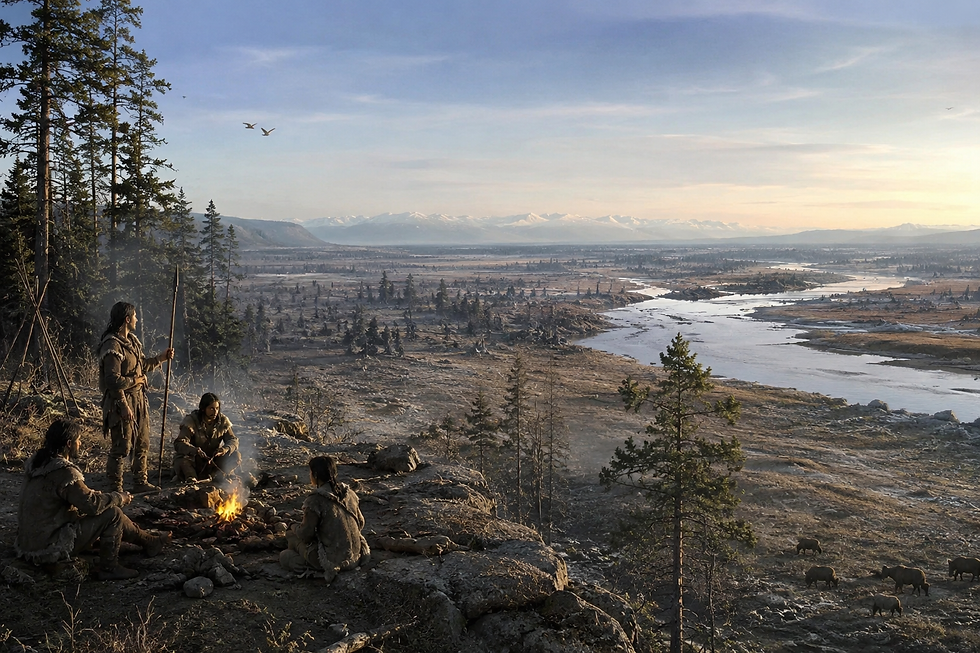
When elders shared stories around evening fires, she listened and learned so those teachings could continue long after the storytellers were gone.
Although her name has been lost, her legacy survives.
She represents the many Kikotan women whose labor, knowledge, and devotion held families together and ensured that cultural traditions endured through generations.
The story of the Kikotan Nation is not only the story of chiefs and leaders. It is also the story of mothers, daughters, grandmothers, and wives whose quiet strength shaped the future of their people.
Today, as we seek to preserve the history of the Kikotan Nation, we honor not only Chief Pochin but also the unnamed Kikotan woman who stood beside him.
Her name may be unknown.
Her importance is not.
She was a keeper of family, a protector of culture, and a guardian of survival.
And through the generations that followed, her spirit lives on.
The Heart of the Family
In Kikotan society, family was the foundation of community life. Women were at the center of that foundation.
From the earliest years of childhood, mothers and grandmothers taught children the skills needed to thrive. They nurtured not only physical well-being but also emotional strength, cultural identity, and spiritual understanding.

Children learned respect, responsibility, and cooperation by observing the women in their families. The lessons shared around cooking fires, gardens, and village gatherings became the foundation upon which future generations were built.
Women served as the first teachers, shaping the character and values of the community.
Guardians of Traditional Knowledge
Knowledge was not stored in books. It lived within the people.
Women played a critical role in preserving and transmitting cultural knowledge. They taught younger generations how to identify medicinal plants, prepare traditional foods, create clothing, and care for family members.

Stories passed from grandmother to granddaughter carried important lessons about history, survival, and community values. Through oral tradition, women ensured that cultural teachings remained alive.
Their wisdom became a bridge connecting the past to the future.
Sustaining the Community Through Agriculture
The women of the Kikotan Nation were skilled agriculturalists.
Working closely with the seasons, they cultivated crops that sustained their families throughout the year. Corn, beans, and squash—often called the Three Sisters—formed the foundation of many Indigenous agricultural systems.
These crops supported one another when grown together. Corn provided a stalk for beans to climb. Beans enriched the soil. Squash spread across the ground, helping retain moisture and reduce weeds.
Women carefully planted, tended, harvested, and stored these crops, ensuring that the community had food during both times of abundance and hardship.
Their work helped create food security long before modern agriculture existed.
Master of Food Preservation
Survival depended on preparation.
The women of the Kikotan Nation understood that the changing seasons required careful planning. Food gathered during periods of abundance needed to last through winter months and times when resources were less available.
Women preserved fish, shellfish, berries, nuts, herbs, and harvested crops using techniques refined over generations.
Drying, smoking, and storing foods allowed families to maintain a reliable food supply throughout the year.
This knowledge was essential to the survival of the community and represented generations of observation, experience, and wisdom.
Healers and Caregivers
Long before hospitals and pharmacies, Indigenous women served as important healers within their communities.

They understood the medicinal properties of local plants and herbs. They cared for children, elders, and family members during illness or injury.
Healing often involved more than physical care. Emotional support, spiritual practices, and community connection were equally important aspects of wellness.
Women helped maintain balance within both the family and the community.
Their role as caregivers strengthened social bonds and contributed to the overall health of the nation.
Keepers of Cultural Traditions
Culture survives when traditions are practiced and shared.
Women preserved songs, stories, ceremonies, crafts, and customs that connected people to their ancestors.
Through daily activities, they taught younger generations how to honor the natural world, respect community relationships, and understand their place within a larger cultural story.
Whether weaving baskets, preparing traditional meals, teaching songs, or sharing stories, women ensured that cultural knowledge remained vibrant and meaningful.
Their efforts protected traditions that might otherwise have been lost.
Strength During Times of Change
The arrival of Europeans brought profound changes to Indigenous communities throughout Virginia.

New diseases, competition for resources, displacement, and cultural pressures created challenges that affected every aspect of life.
During these difficult times, women continued to hold families together.
They adapted to changing circumstances while preserving cultural values and traditions whenever possible. They provided stability, guidance, and hope during periods of uncertainty.
Their resilience helped ensure the survival of future generations.
Why Their Stories Matter Today
For many years, historical accounts focused primarily on political leaders, explorers, and military events.
As a result, the contributions of Indigenous women were often overlooked or minimized.
Yet understanding the history of the Kikotan Nation requires recognizing the essential role women played in family life, agriculture, education, healing, and cultural preservation.
Their stories provide a fuller and more accurate picture of Indigenous history.
By acknowledging their contributions, we honor the generations of women whose work sustained communities and preserved traditions that continue to inspire us today.
A Legacy for Future Generations
The women of the Kikotan Nation were far more than caretakers of their households.
They were protectors of knowledge.
They were teachers of culture.
They were guardians of family traditions.
They were healers, leaders, and builders of community.
Most importantly, they were the reason cultural knowledge survived from one generation to the next.
As we work to preserve the history of the Kikotan Nation, we must ensure that the voices of these remarkable women are remembered and celebrated.
Their legacy reminds us that history is not only shaped by those whose names appear in books, but also by those whose love, wisdom, and strength quietly transformed the lives of everyone around them.
Sacred Wisdom
Behind every generation of the Kikotan Nation stood women whose dedication, knowledge, and resilience helped their people endure.
Though many of their names may never be known, their influence continues to live on through the traditions, stories, and values they preserved.
Today, their legacy calls us to remember, honor, and share their stories so that future generations will understand the vital role women played in the history of the Kikotan Nation.
Learn More
Discover more stories about the history, culture, and heritage of the Kikotan Nation by visiting:
Kikotan Nation www.kikotannation.org
Together, we can preserve these stories for the next seven generations.


Comments