


What We Must Preserve for the Next Seven Generations

Why Preserving Indigenous Heritage Matters Today More Than Ever
Will Your Great-Great-Great-Grandchildren Know Your Story?
Close your eyes for a moment and imagine a child living 150 years from now.
That child may carry your family name. They may share your bloodline. They may walk the same lands your ancestors once called home.
But will they know who you were?
Will they know the stories of their Indigenous ancestors?
Will they understand the sacrifices, traditions, wisdom, and resilience that helped shape their family?
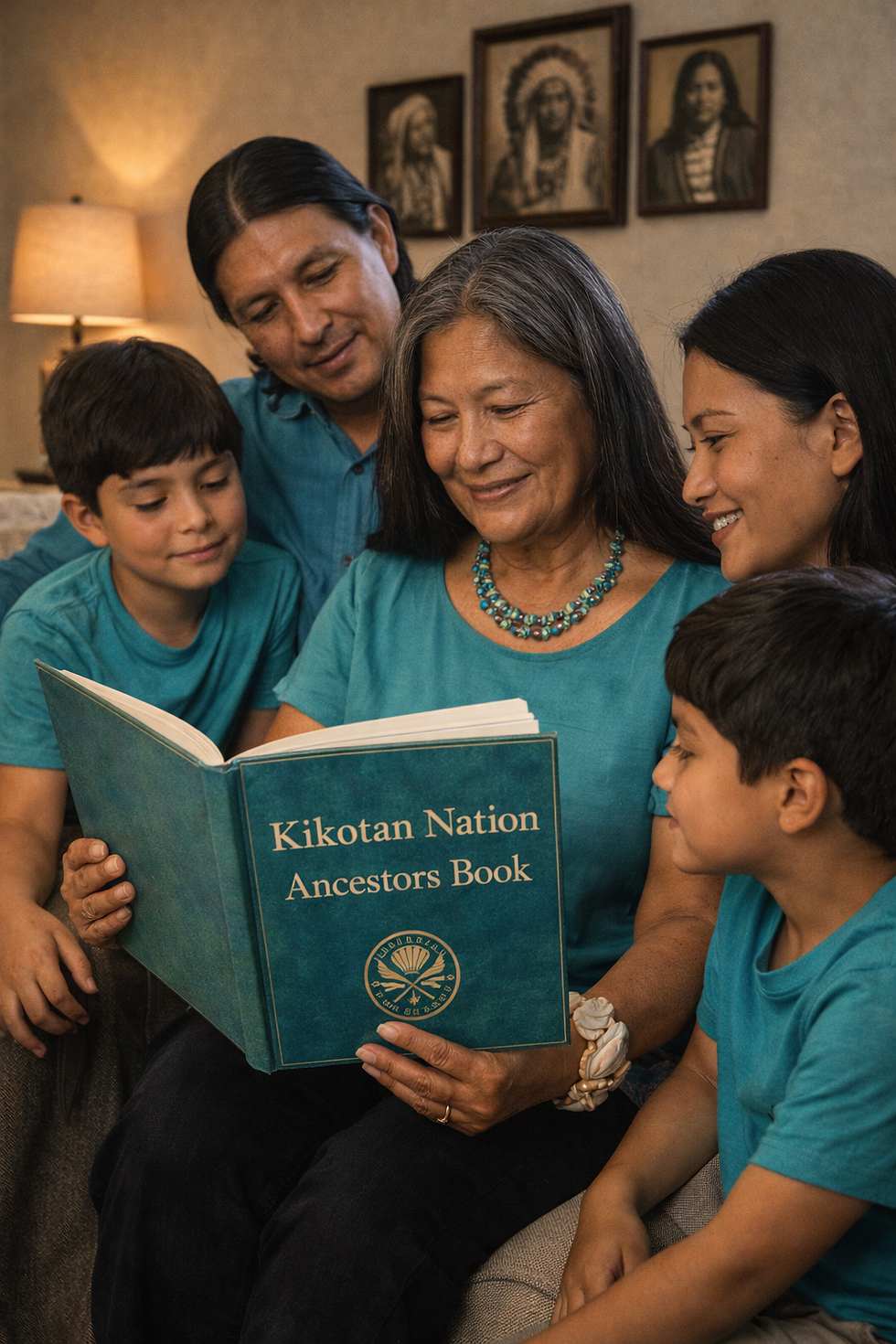
Or will those stories disappear with the passing of time?
For many families, this is already happening.
Photographs sit in boxes without names attached to them. Family stories are forgotten. Elders pass away before their knowledge is recorded. Important documents are lost, and generations become disconnected from their roots.
The problem is not that our history lacks value.
The problem is that too much of it remains unrecorded.
The solution begins with each of us making a commitment to preserve our heritage, our family history, and our cultural traditions for the next seven generations.
Understanding the Seven Generations Teaching
Many Indigenous communities embrace the teaching of the Seven Generations Principle.
This teaching encourages us to consider how our actions today will affect the people who come after us. It reminds us that we are not living only for ourselves but also for future generations who will inherit the world we leave behind.

The Seven Generations teaching asks an important question:
What legacy are we creating for those who have not yet been born?
When applied to genealogy, Indigenous history, and cultural preservation, the answer becomes clear:
We must preserve our stories, traditions, knowledge, and identity so future generations understand where they come from.
Why Family History Matters
Knowing your family history provides more than names and dates.
It provides a sense of belonging.
Many people spend years searching for answers about their ancestry because they feel a deep desire to understand their roots.
Family history helps us:
Discover our ancestors' stories
Understand family traditions
Preserve cultural identity
Strengthen family connections
Pass knowledge to younger generations
Honor those who came before us
When we learn about our ancestors, we begin to see ourselves as part of a much larger story.
The Importance of Preserving Oral Traditions
Before written records became common, Indigenous communities preserved their history through oral traditions.
Stories were shared around fires, within families, and throughout communities. These stories carried teachings, values, cultural knowledge, and historical events from one generation to the next.
Oral traditions helped preserve:
Family histories
Tribal histories
Cultural teachings
Spiritual beliefs
Traditional practices
Community values
Today, many families still carry stories that have never been written down.
Those stories are treasures.
A conversation with an elder today may preserve knowledge that could otherwise be lost forever.
What Future Generations Need Us to Protect
1. Family Stories
Every family has stories worth preserving.
Stories of migration, survival, love, hardship, courage, and perseverance help future generations understand their roots.
Take time to interview parents, grandparents, aunts, uncles, and elders while you can.
2. Names and Genealogy
Names are powerful connections to our ancestors.
Creating family trees and preserving records helps future generations trace their lineage and understand how they are connected to those who came before them.
Genealogy transforms forgotten names into remembered lives.
3. Indigenous Culture and Traditions
Traditional knowledge deserves protection.
Songs, ceremonies, language, crafts, teachings, and customs are valuable expressions of cultural identity.
These traditions provide future generations with a stronger understanding of who they are and where they come from.
4. Historical Documents
Photographs, journals, letters, military records, land records, church records, and family Bibles all tell part of our story.
Label photographs.
Scan important documents.
Store records safely.
What seems ordinary today may become priceless tomorrow.
5. Community History
Communities have stories too.
The history of Indigenous communities, local families, churches, schools, and neighborhoods deserves preservation.
When communities preserve their history, they preserve their identity.

The Cost of Forgetting
When stories disappear, future generations lose more than information.
They lose connection.
They lose identity.
They lose understanding of where they belong.
Many people researching Indigenous genealogy today face tremendous challenges because records were lost, altered, or never created.
The loss of family stories often leaves descendants searching for answers that can never fully be recovered.
That is why preservation matters.
Not someday.
Today.
How You Can Become a Keeper of History
You do not need to be a historian, genealogist, or researcher to preserve your family's legacy.
You can begin right now.
Record family interviews
Write down stories you remember
Label old photographs
Create a family tree
Preserve family documents
Save community histories
Share stories with children and grandchildren
Learn about your Indigenous ancestors
Small actions today can create an extraordinary gift for future generations.
A Legacy Worth Leaving
One day, someone may search for their roots and discover the work you preserved.
They may find a photograph you labeled.
A story you recorded.
A family tree you created.
A tradition you documented.
Through your efforts, they will know who they are.
That is the power of preserving history.
The Seven Generations teaching reminds us that we are caretakers of knowledge, memory, and identity.
We have inherited stories from our ancestors, and it is our responsibility to ensure those stories continue to live on.
Preserve the Past. Strengthen the Future.
At Kikotan Nation, we believe that every family story matters.
By preserving Indigenous heritage, family history, genealogy, and oral traditions, we create a bridge between our ancestors and future generations.
Together, we can ensure that the voices of those who came before us continue to inspire the next seven generations.
Learn More About Indigenous Genealogy and Heritage Preservation
Are you interested in discovering your Indigenous ancestors, preserving family stories, and learning more about the history of the Kikotan people?
Visit Kikotan Nation at www.kikotannation.org to explore genealogy resources, educational guides, historical research, and tools designed to help families preserve their heritage for generations to come.
Preserve the Past • Honor the Ancestors • Guide the Future


Comments